5 ⭐ RATED ON GOOGLE
Charleston, WV's #1 Fire Damage Restoration Experts
We clean smoke and soot, remove lingering odors, dry out the water left from firefighting and secure your property so the damage stops spreading after a fire.
Or Call Us 24/7 At
(304) 395-3925

Fire Damage Restoration Services You Can Trust in Charleston, WV
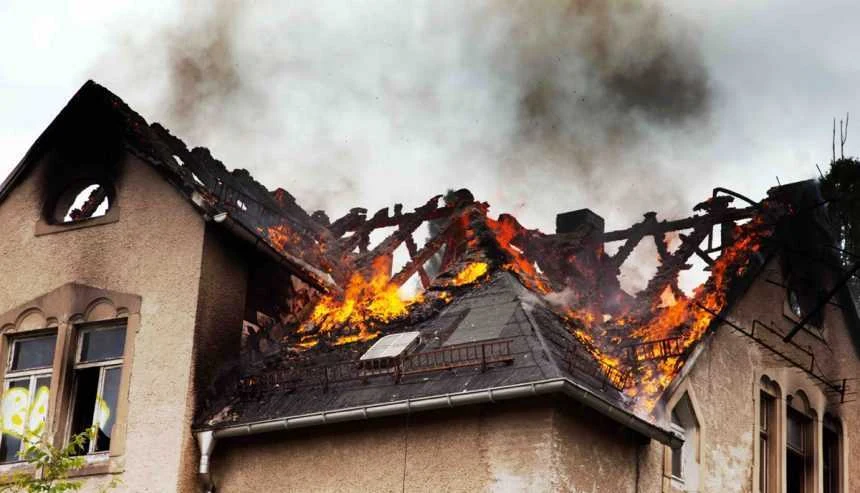
Fire damage extends beyond the area that burned. Smoke can move through doorways, ceiling spaces and ventilation pathways, leaving soot and odor in rooms that never saw a flame. Water used to extinguish the fire can also saturate flooring, insulation and walls. Elite Restoration WV provides fire damage restoration in Charleston, WV, addressing smoke residue, soot, affected materials and firefighting water.
Once emergency personnel have cleared the property for entry, we assess the damage and develop a cleanup plan suited to the surfaces involved. Some materials can be cleaned; others are too charred, contaminated or damaged to keep. We explain those decisions and focus on removing the sources of smoke odor rather than masking them with fragrance.
NO TIME TO CALL? SEND US A FORM!
Reach out at (304) 395-3925 or send a message through the form below and our team will respond promptly to help with your restoration needs.

Rapid 24/7 Fire Damage Response When It Matters Most
We answer the phone day and night and get a crew moving to your Charleston property, so board up, soot cleanup and water removal can start before the damage sets in.

IICRC Certified. Industry Proven.
Our team follows IICRC standards for smoke, soot and water cleanup, so each step is done safely, done in the right order and documented along the way.

Experienced Restoration Professionals
We've worked kitchen fires, electrical fires and smoke that spread through a whole house, and we know which surfaces can be cleaned and which materials have to go.

Trusted Local Team Serving All of Charleston, WV Metro
Based in the Charleston area, we provide clear communication, reliable timelines, and restoration built to last.
AFTER THE FIRE IS OUT
When Should You Call a Fire Damage Restoration Company in Charleston, WV?
1. After a Kitchen or House Fire in Charleston, WV
Once the fire department clears the scene, the clock starts on secondary damage. Soot is acidic and can begin to stain and etch surfaces within days, while smoke odor keeps soaking into drywall, cabinets and fabrics. A small stovetop fire and a fire that reached several rooms both deserve a professional look. Call a fire damage restoration company as soon as you're allowed back in, so cleanup can start before the damage gets harder to reverse.
2. Smoke and Soot in Other Rooms of Your Charleston Home
Smoke travels through hallways, stairwells and the HVAC system, so a fire in one room can leave a film of soot on walls, ceilings and belongings at the other end of the house. You might see gray shadows on the ceiling, dark lines along the carpet edges, or smell smoke in a closet days later. We check every room, not just the one that burned, and clean the residue before it keeps spreading.
3. Water Damage From Firefighting in Charleston, WV
Fire hoses and sprinklers can put a lot of water into a building in a short time. That water soaks into carpet, subfloors, insulation and the floors below, and in a basement or crawl space it can sit for days. If it isn't extracted and dried, mold can follow the fire, especially during a humid Charleston summer. We remove the water, set up drying equipment and track the moisture until the structure is dry.
4. Broken Windows or Roof Openings After a Charleston Fire
Firefighters often break windows and cut openings in the roof to vent smoke and heat. That leaves your property open to rain, animals and people who shouldn't be there. We board up windows and doors and cover roof openings with tarps to secure the building and keep weather out while the cleanup moves forward. Most policies also expect you to take reasonable steps to protect the property from further damage.
5. Smoke Odor That Won't Go Away in Charleston, WV
Smoke odor lives in the residue, not just the air. Air freshener or open windows might help for a day, but the smell comes back because soot is still sitting on surfaces, inside cabinets, in the ductwork and in soft furnishings. We remove the residue at the source, clean the surfaces and run HEPA air scrubbers to capture fine particles, then deodorize what remains so the smell doesn't keep returning.
6. Belongings Covered in Soot After a Fire in Charleston, WV
Clothing, furniture, dishes, keepsakes and paperwork can often be saved if they're cleaned properly and soon. Wiping soot with a damp rag usually smears it deeper into the surface. We sort what can be cleaned from what can't, clean the salvageable contents, and photograph and list the items that are beyond saving so you have a clear record for your insurance claim.
What's Our Process Like for Fire Damage Restoration in Charleston, WV?
Start with clearance and a damage assessment
Do not enter a fire damaged building until emergency personnel say entry is permitted. Our assessment considers the burned area, smoke travel, affected contents and water from suppression. Structural, electrical or utility concerns may require the appropriate specialist before cleanup can proceed. A small fire still needs a careful look beyond the original room.
Evaluate debris and wet materials
Charred and unsalvageable materials are identified before removal. Firefighting water is assessed separately so wet flooring and wall assemblies are not overlooked during smoke cleanup. We explain what can reasonably be cleaned and what will need replacement, with attention to both condition and access.
Clean smoke and soot by surface
Soot on painted drywall is not handled the same way as residue on finished wood or metal. Cleaning methods must suit the material and the residue. Unplanned wiping can spread stains or damage a finish. The cleanup plan addresses affected surfaces and the locations where smoke particles have collected.
Address odor and review remaining repairs
Smoke odor can persist in insulation, porous finishes and enclosed spaces after visible soot is removed. We focus on cleaning or removing the material holding that residue and review remaining odor concerns. The final walkthrough separates completed cleanup from repairs still needed; the extent of the fire determines the next steps.
Our Fire Damage Response Includes
- A local team answering the phone 24/7
- Board up and tarping to secure the property
- Water extraction and drying after firefighting
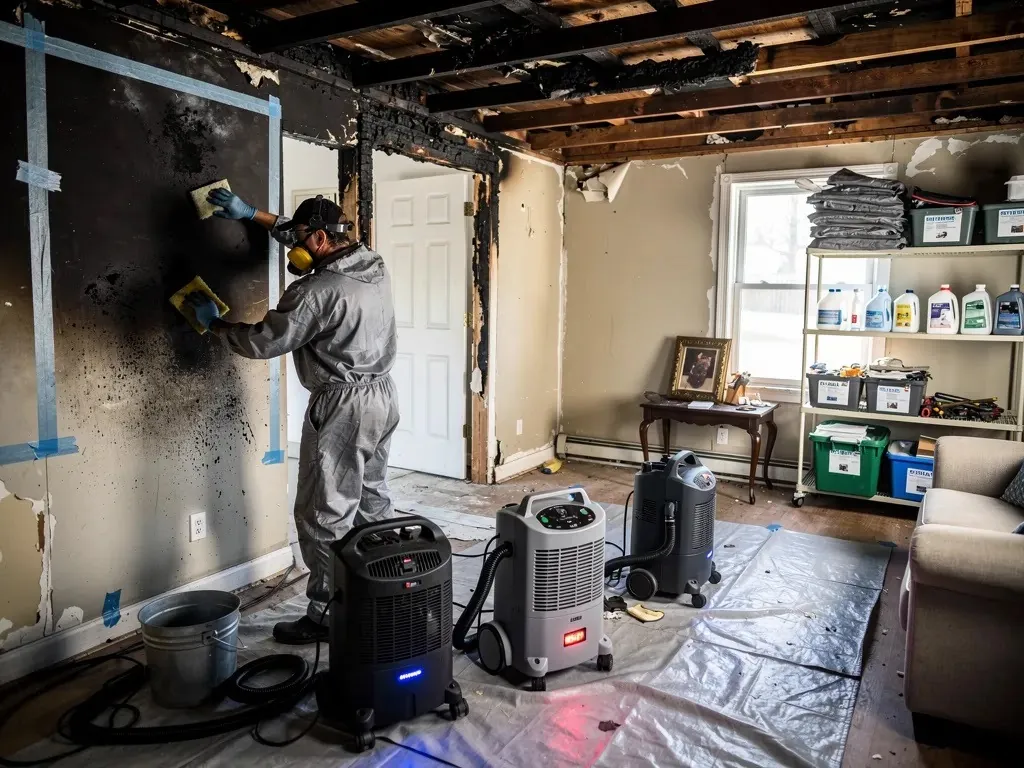
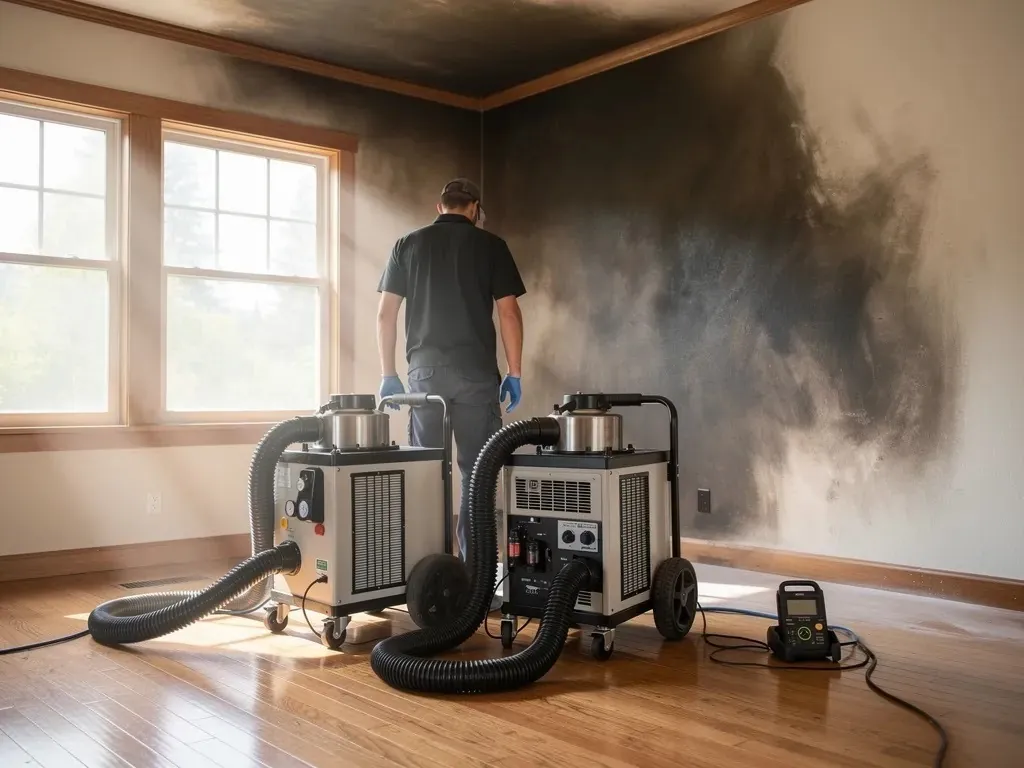
- Smoke and soot cleanup on walls and ceilings
- Odor removal with HEPA air scrubbing and deodorizing
- Contents cleaning and photo documentation for insurance
Licensed, Insured and Locally Owned in Charleston, WV
For a Charleston property, tell us which rooms are affected, whether the space is occupied and how our team can access it. Homes and commercial buildings need different plans, and the visible surface does not always show the full extent of the problem. During a Charleston winter it's tempting to get the heat back on fast, but it's worth waiting.
Smoke damage in rooms beyond the fire
Closed doors do not always keep smoke out. Hallways, adjoining units and HVAC pathways may carry residue into other parts of a building. Avoid running a system suspected of holding soot until it has been assessed. Let our team know which rooms smell smoky, even if their walls appear clean.
Need a different scope? See our water damage restoration in Charleston, WV, or contact our team to explain the condition before scheduling.
Get a Quote Today!
Fire Damage Restoration FAQs in Charleston, WV
Not until the fire department says it is. Fire can weaken floors, stairs and ceilings, and smoke residue and damaged wiring create hazards you can't always see. Once the property is released, go in only briefly to grab essentials like medication, documents and phones, and wear a mask and gloves if you're handling sooty items. Don't turn on the HVAC or any appliances until they've been checked. We can walk the property with you and point out areas to avoid.
Because soot is acidic and keeps working on surfaces after the fire is out. Within days it can yellow plastics, tarnish metal fixtures, discolor grout and paint, and settle deeper into porous materials, which makes it harder to clean and raises the chance something has to be replaced. Water from firefighting also needs to come out before mold has a chance to start. Call us at (304) 395-3925 as soon as the property is released and we'll get a crew moving.
In most cases, yes. Smoke smell comes from residue on surfaces and particles trapped in porous materials, so masking it with sprays never lasts. We clean the residue from walls, ceilings, cabinets and contents, remove materials that are too saturated to save, run HEPA air scrubbers and deodorize the affected areas. Heavier fires take more work, and some badly damaged items can't be fully deodorized, but we'll tell you honestly what to expect after we inspect.
Start with photos and video of every affected room before anything is moved or thrown away, as long as it's safe to take them. Keep receipts for hotel stays, meals and emergency purchases, and make a list of damaged belongings as you remember them. We add our own photos, moisture readings and a written scope of the cleanup, and we help with the paperwork and talk with your adjuster. Your insurance company decides what is covered, but good documentation gives your claim what it needs.
Yes. Board up is often the first thing we do. Broken windows, forced doors and holes cut in the roof to vent smoke leave the building open to rain, animals and trespassers. We cover openings with plywood and tarps to secure the property and keep weather out while the cleanup gets underway. Most policies expect you to take reasonable steps to prevent further damage, and we photograph the openings before and after so that work is documented too.
It has to be removed and dried like any other water damage. Hoses and sprinklers can soak carpet, subfloors, insulation and the ceiling of the floor below. In hillside homes like many in South Hills, that water tends to run down into a lower level or crawl space. We extract standing water, take out wet materials that can't be dried, and run air movers and dehumidifiers until our moisture readings say the structure is dry. Skipping this step is how mold ends up growing behind the smoke damage.
Many belongings can be cleaned. Hard items like dishes, furniture, decor and tools often clean up well, and many fabrics can be saved if the smoke damage isn't too heavy. Items that are charred, melted or soaked with dirty water usually can't. We sort contents into what can be cleaned and what can't, clean the salvageable items, and photograph and list the rest so you have a record for your claim. Try not to wipe soot off soft goods yourself, since that can set the stain.
It's better not to. Soot is oily and very fine, and wiping it with a wet rag or a household cleaner usually smears it deeper into paint, plaster and drywall. Different kinds of smoke residue need different cleaning methods, and the wrong one can leave a stain that won't come out. If you have to touch anything, wear gloves and a mask. Leave the walls and ceilings to us and we'll clean them with the right products and tools.
It depends on the size of the fire, how far the smoke spread, how much water was used and how many belongings need cleaning. A small kitchen fire is a very different job from a fire that sent smoke through every room. We inspect first, put the scope in writing and walk you through it before work begins. Fire is a covered peril on many homeowners policies, but your insurer makes the final call, and our photos, readings and written scope give your adjuster what they need to review it.
It depends on how much of the house was affected. Many homeowners policies help with temporary living costs after a covered loss, so ask your adjuster. A small fire with light smoke in one area might only need several days of cleaning and deodorizing. A larger fire with heavy soot, water from firefighting and damaged materials can take a few weeks of cleanup before repairs even start, and the repair timeline depends on your contractor. We give you a realistic estimate after the first walkthrough and keep you updated as each room is finished.
Yes, before you run the system again. Smoke and soot get pulled into the return vents and spread through the ductwork, and turning the system on can blow residue right back into rooms we just cleaned. During a Charleston winter it's tempting to get the heat back on fast, but it's worth waiting. Air duct cleaning is one of our services, so we can clean the ducts as part of the same fire damage project. Change the filter before the system runs again.
Yes. Smoke doesn't stop at property lines. In duplexes, townhomes and apartment buildings, smoke can work its way in through shared walls, attics, vents and gaps around doors and windows. Even without flames in your unit, the residue and odor can settle on walls, carpet, furniture and clothing. We inspect for soot and odor, clean the affected areas and contents, and document the damage so you can file a claim with your own insurance company if you choose to.
Yes. We work on offices, retail stores, restaurants, apartment buildings and warehouses as well as homes. A commercial fire can shut a business down fast, so we focus on securing the building, removing water and soot, and cleaning areas in an order that helps you reopen as soon as it's safe. We work around your schedule where we can and document everything for your commercial insurance claim. Call us at (304) 395-3925 and we'll walk the building with you.
Start with food, medicine and personal care items. Food that was exposed to heat, smoke, soot or firefighting water should go, including canned goods that got hot and anything from a refrigerator that sat without power. Replace medications and cosmetics that were near the fire or covered in soot. Hold off on throwing away furniture, clothing, electronics and keepsakes until we've looked at them, since many can be cleaned. Photograph everything before it leaves the house so your insurance claim has a record.
We follow a recognized standard instead of guessing. The IICRC publishes industry guidelines for fire and smoke damage restoration, including how to inspect, which cleaning methods suit which surfaces and how to handle the water left from firefighting. That means we test surfaces before we clean, work in an order that doesn't spread soot around, and document the job as we go. It also means fewer surprises, because you know what we're doing and why we're doing it.
Yes, and it's one of the places people forget to check. Heat and smoke rise into wall cavities, ceiling spaces and the attic, especially when a fire starts near an outlet, a light fixture or the roof line. Insulation can hold onto smoke odor and soot for a long time, and water from firefighting can soak it too. We check the attic when the evidence points there and remove damaged insulation so odor and moisture don't stay trapped above your ceilings.
Yes. We're based in Kanawha City and serve communities within about 15 miles of our office, including South Charleston, St. Albans, Cross Lanes, Sissonville, Elkview, Belle and Marmet. We also serve Morgantown. If you're not sure whether your address is in our area, call and we'll tell you right away. Fire damage needs fast attention, so don't wait to ask.
Usually repairs. Our work covers the cleanup side of a fire: securing the property, removing water, cleaning smoke and soot, removing odor and cleaning contents. When we finish, the affected areas are clean, dry and ready for the contractor who will handle repairs like new drywall, paint, flooring or roofing. We share our photos, moisture readings and written scope, so that work starts from an accurate picture of the damage and your adjuster has the same record.
There Are Plenty of Fire Damage Restoration Companies in Charleston, WV

We Secure the Property First
Before cleaning starts, we board up openings and tarp the roof if needed. That keeps rain, animals and trespassers out and stops new damage while the rest of the work gets done.

Cleaning Matched to Each Surface
Painted drywall, plaster, wood cabinets and fabrics all react differently to soot. We test and pick the right method for each one, so we remove the residue instead of spreading it.

Documentation Your Adjuster Can Use
We photograph the damage, record moisture readings and write a clear scope of the cleanup. We help with the paperwork and talk with your adjuster, so you're not handling it alone.

A Local, Family Owned Team
Elite Restoration WV is locally owned and based in Kanawha City. When you call after a fire, you talk to people who work in this valley every day, at any hour.
Based in Charleston, WV
We're based in Kanawha City and handle fire damage restoration for homes and businesses across Charleston and the communities within about 15 miles of our office, including South Charleston, Dunbar, Institute, St. Albans, Cross Lanes, Sissonville, Pinch, Belle, Chesapeake and Cedar Grove. We also serve Morgantown. Call any time and we'll get a crew moving to your property.

We're Available 24/7 for Any Fire Damage Emergency in Charleston, WV
Contact Us Today!
For more information about our services or to set up an appointment, call us at (304) 395-3925 or send a request through the contact form and our team will get back to you as soon as possible.
Or Call Us 24/7 At
(304) 395-3925