5 ⭐ RATED ON GOOGLE
Charleston, WV's #1 Commercial Water Damage Restoration Experts
We dry offices, stores, restaurants, churches, schools and apartment buildings after leaks and floods, and we plan the work around your operations so business can keep moving where it's safe.
Or Call Us 24/7 At
(304) 395-3925

Commercial Water Damage Restoration Services You Can Count On in Charleston, WV
Water damage in a commercial building affects more than finishes. Wet offices, tenant spaces, stockrooms and shared corridors create access problems and interrupt work. Elite Restoration WV provides commercial water damage restoration in Charleston, WV, with water extraction, moisture assessment and a drying plan suited to the building and the areas affected.
A sprinkler discharge, roof leak, failed supply line or appliance overflow may spread between rooms or floors before the first visible stain appears. We work with the designated property contact to identify the loss, communicate work boundaries and plan equipment access. Safety and drying conditions determine which spaces can remain in use; we do not promise uninterrupted operations or a fixed reopening date.
NO TIME TO CALL? SEND US A FORM!
Reach out at (304) 395-3925 or send a message through the form below and our team will respond promptly to help with your restoration needs.

Rapid 24/7 Commercial Water Damage Response When It Matters Most
Leaks don't keep business hours. Call any time and our team answers, gets a crew moving and helps you protect the building before water spreads to more suites or units.

IICRC Certified. Industry Proven.
We follow IICRC standards for extraction, drying and cleanup in commercial buildings, and we document the readings and the work so your records and claim file are complete.

Experienced Restoration Professionals
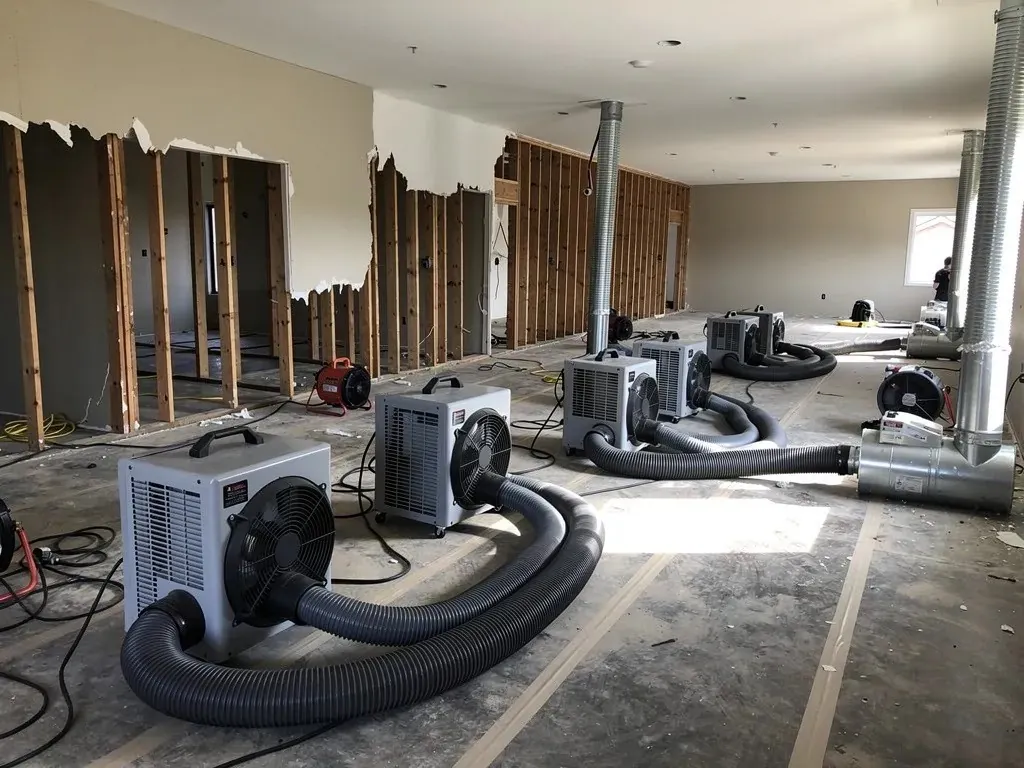
Large open floors, drop ceilings, glued down carpet and multiple units all take planning. Our crew sets up drying so it works for the building and for the people inside it.

Trusted Local Team Serving All of Charleston, WV Metro
Based in the Charleston area, we provide clear communication, reliable timelines, and restoration built to last.
PROTECT YOUR BUSINESS
When Should You Call a Commercial Water Damage Restoration Company in Charleston, WV?
1. Fire Sprinkler Line Breaks in Charleston, WV
A sprinkler pipe that freezes in an unheated stairwell or gets bumped by a lift can dump a lot of water in a short time, and the water in those lines has often been sitting for years. It's usually dark, dirty and strong smelling. Once your fire protection contractor has the flow stopped, we extract the water, remove what can't be cleaned and dry the building while the system is repaired and put back in service.
2. Flat Roof Leaks Over Offices and Stores in Charleston, WV
Many commercial buildings have flat or low slope roofs, and heavy Kanawha Valley rain can pond on them until it finds a seam or a clogged drain. The water often runs along the deck before it drips, so the stained ceiling tile may be well away from the actual hole. We trace the moisture with meters and thermal imaging, dry the ceilings, walls and floors below, and give your roofer a clear picture of where the water went.
3. Burst Pipes and Plumbing Failures in Commercial Buildings
A frozen pipe in an exterior wall, a failed water heater in a back room or a supply line that lets go over a weekend can soak a building before anyone unlocks the doors. Hard freezes in Charleston catch a lot of businesses with closed offices and the heat turned down. We get water out of carpet, drywall and wall cavities and dry the space so you can use it again as soon as conditions allow.
4. Water Moving Between Apartment Units in Charleston, WV
In apartment buildings and other multi unit properties, a leak in one unit rarely stays there. Water runs through floors and ceilings into the units below and into shared hallways and stairwells. We check every unit the water could have reached, not just the one that called, and we give property managers a clear record of which units are affected, what was done and when each one is dry.
5. Restaurant, Retail and Medical Office Leaks in Charleston, WV
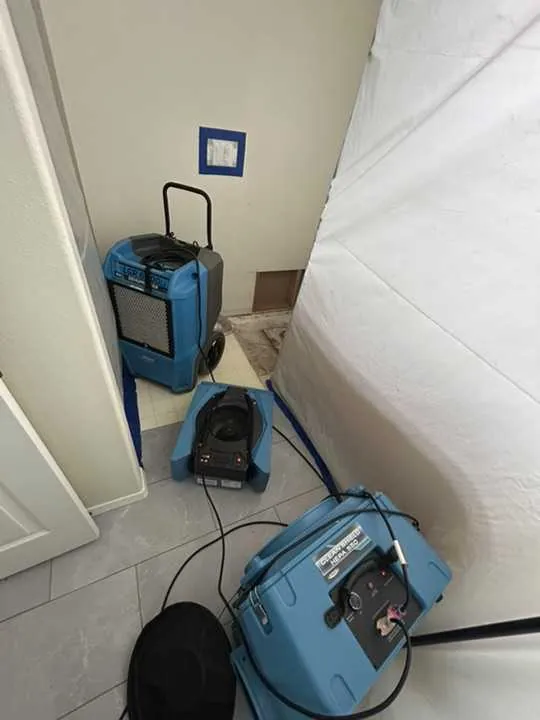
A leak in a restaurant kitchen, a store's stockroom or a medical office waiting room puts customers, patients, staff and inventory in the way. We set up containment and HEPA air scrubbers where they're needed, close off the wet areas and keep walkways and exits clear. Your team can keep working in the dry parts of the building while we handle the rest, as long as it's safe to do so.
6. Flooded Lower Levels in Churches and Schools in Charleston, WV
Fellowship halls, classrooms, kitchens and storage rooms often sit on the lowest floor of the building, which is right where storm water and plumbing leaks end up. We pump out standing water, dry the walls and floors, and schedule the loud work around services, classes and events whenever we can. Facility staff and church leaders get daily updates so they can plan around the space.
What's Our Process Like for Commercial Water Damage Restoration in Charleston, WV?
Establish the property contact and assess the loss
We need a person authorized to provide access and discuss the affected spaces. The initial assessment considers the source, floors or units involved, utilities and exposed equipment or inventory. Sprinkler or electrical system repairs require the appropriate qualified service provider. Our work starts with a clear understanding of the building and its hazards.
Extract water and organize work zones
Standing water is removed and wet finishes are evaluated. Access routes, occupied spaces and shared corridors are considered when locating equipment and defining the work zone. Contaminated water requires a different cleanup approach. Building operations cannot take priority over safe access or proper contamination controls.
Dry affected assemblies and track progress
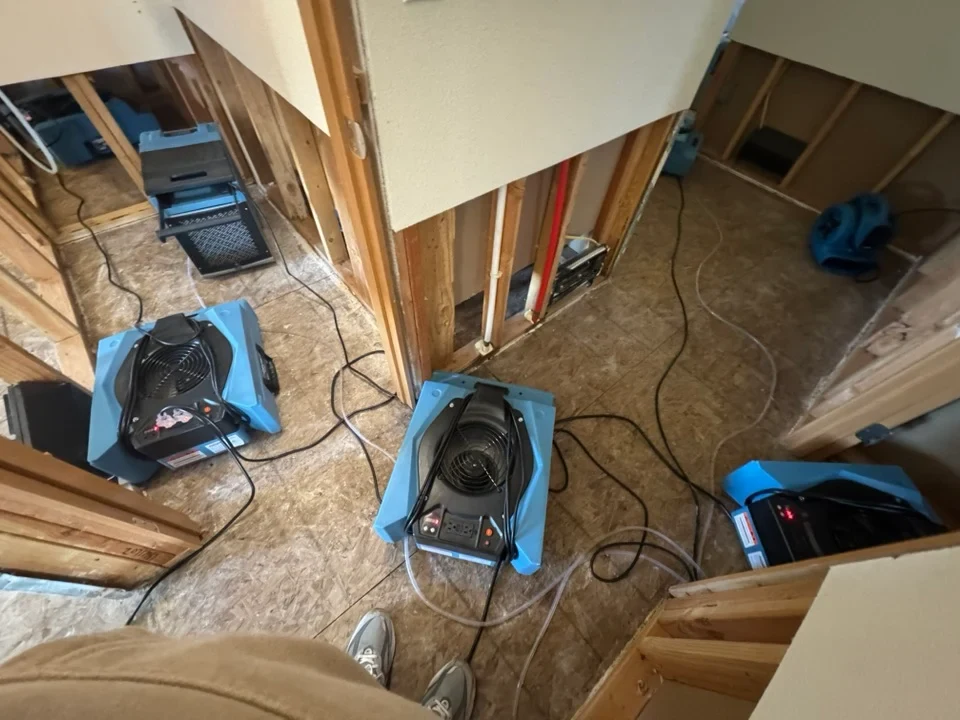
Ceiling cavities, partitions, flooring and adjacent units may retain moisture after the main room has been extracted. Drying equipment is selected and positioned for those conditions. Moisture measurements help track progress and indicate where access or material removal may be necessary. The plan is updated as conditions change.
Provide clear updates and a repair handoff
The property contact needs to know what is complete, what remains wet and which repairs are still outstanding. Project records help organize that discussion and any insurance review. An insurer determines coverage, and business reopening depends on the building condition and any applicable requirements, not simply the day equipment is removed.
Our Commercial Water Damage Response Includes
- 24/7 line for after hours emergencies
- Walkthrough with your property or site contact
- Moisture mapping across floors, suites and units
- Large loss extraction and structural drying
- Containment and HEPA air scrubbers where needed
- Daily moisture logs, photos and a written scope
Licensed, Insured and Locally Owned in Charleston, WV
For a Charleston property, tell us which rooms are affected, whether the space is occupied and how our team can access it. Homes and commercial buildings need different plans, and the visible surface does not always show the full extent of the problem. If the property is leased, confirm with the owner and your lease who can approve the work.
Water damage in shared and tenant occupied spaces
A leak in one unit can affect a ceiling below or a corridor used by everyone. Report affected room numbers, access restrictions and any vulnerable inventory when you call. A single point of contact helps avoid conflicting instructions. Work phasing may reduce disruption where conditions allow, but each affected area still needs a complete assessment.
Need a different scope? See our water damage restoration in Charleston, WV, or contact our team to explain the condition before scheduling.
Get a Quote Today!
Commercial Water Damage Restoration FAQs in Charleston, WV
Often, at least in part. It depends on where the water is, what kind of water it was and whether the area is safe to use. We close off wet zones with containment, keep exits and walkways clear and place equipment so staff and customers can use the dry parts of the building. If a space isn't safe to occupy, we tell you plainly and explain what needs to happen before it can be used again.
Yes, whenever the job allows it. Our phone line is answered 24/7, so a leak found at closing time doesn't have to wait until morning. Loud work like extraction and removing wet materials can often be scheduled before you open or after you close, while the drying equipment keeps running around the clock. We agree on a schedule with your site contact before work starts. Call (304) 395-3925 to talk it through.
We treat it as dirty water. Water that sits in sprinkler pipes for years is often dark, full of sediment and strong smelling, so it can't be handled like a clean supply line leak. Once your fire protection contractor has the flow stopped, we extract the water, remove soaked ceiling tiles, carpet and drywall that can't be cleaned, and clean and dry what remains. We document everything for the claim while the system is repaired.
Because water travels before it drips. On a flat or low slope roof, water gets in at a seam, flashing or drain, then runs along the deck or insulation until it finds a low spot, a fastener or a light fixture to come through. That's why the stained ceiling tile is often nowhere near the hole. We trace the wet path with moisture meters and thermal imaging, so your roofer knows where to look and nothing above the ceiling is missed.
A full paper trail. That includes photos before, during and after the work, daily moisture readings, notes on the equipment we used and a written scope of what was removed, cleaned and dried. We work with your adjuster and help with the paperwork. Your insurer decides what's covered, including any business income coverage your policy has, but good records make those conversations much easier for you.
Yes. Big open spaces just take more planning and more equipment. We map the moisture first so we know how far the water spread, then set up air movers and dehumidifiers in zones, often with containment walls to keep the drying area tight. Rooms with high ceilings hold a lot of air, so we watch humidity closely and adjust the setup every day until the floors, walls and contents are dry.
Yes, and we know you need clear information fast. We check the unit where the leak started plus every unit and hallway the water could have reached. You get a simple record of which units are affected, what we removed, when equipment goes in and comes out, and when each space is dry. We coordinate tenant access through you, so nobody is surprised when our crew knocks on the door.
One person who can make decisions and give access. That might be the owner, a property manager, an office manager or a facilities lead. We walk the building with that person, agree on work zones and hours, and send them updates each day. If the property is leased, confirm with the owner and your lease who can approve the work. Sorting that out early keeps the job and the claim moving.
Yes, in a few ways. We use containment to keep dust and moisture out of exam rooms and clean areas, and we run HEPA air scrubbers while wet materials come out. We work around patient schedules when we can and keep hallways clear. Medical equipment, computers and anything electronic should be checked by the company that services it, and we can help you move those items out of the wet area safely.
Stop the water if you can, keep people off wet floors and call us. Keep water away from electrical equipment and outlets. We extract the water, remove wet materials that can't be dried and clean and sanitize the affected areas. If dirty water reached food prep or storage areas, throw out exposed food and check with the health department before using those areas again. We'll plan the work around your service hours.
Sometimes. Carpet tiles can often be lifted, dried and put back if the water was clean and we get to them quickly. Glued down carpet usually has no separate pad, so it can sometimes be dried in place with the right airflow, as long as the adhesive holds. Anything soaked by sewage or dirty sprinkler water usually has to come out. We check readings and the condition of the carpet before recommending either way.
Usually, yes. Ceiling tiles are made to soak up sound, so they soak up water too, and once wet they tend to sag, stain or grow mold. The bigger question is what's above them, like wet insulation, ductwork, wiring and the roof deck. We pull the damaged tiles, check the space above the grid with moisture meters and thermal imaging, and dry everything that can be saved before new tiles go in.
In most cases, yes. We work with your facilities staff to close off the affected rooms, keep hallways and exits clear and schedule the noisiest work for after dismissal, weekends or breaks whenever we can. Drying equipment runs behind containment and closed doors while classes continue in other parts of the building. Administrators get daily updates so they can plan room changes and keep families informed.
Frozen pipes and roof leaks top the list. Hard winter freezes split pipes in exterior walls, unheated stairwells and sprinkler lines, especially in buildings that sit empty over a weekend. Heavy rain finds weak spots in flat roofs and drains. Failed water heaters, restroom plumbing, HVAC condensate lines and sewer backups are common too. Older buildings downtown and along the riverfront can have aging pipes that give out with little warning.
Usually a few days, but it depends on the loss. Clean water caught early in a carpeted office often dries in three to five days. Concrete slabs, thick flooring, multiple floors and water that sat over a weekend can take longer. We check readings every day and pull equipment as each area reaches normal, so you get spaces back one at a time instead of waiting for the whole job to finish.
Yes, as part of the drying work. We help move furniture, stock and portable equipment out of the wet area or block it up off wet floors, and we photograph damaged items for your claim. Specialized equipment, electronics and machinery should be checked by the vendor or technician who services them before use. Keeping contents out of the drying zone also helps the building dry faster.
Yes. A backed up floor drain, toilet or main line in a business is Category 3 water and needs a careful response. We close off the area, keep staff and customers away, remove contaminated materials and clean and disinfect what stays. In restaurants and medical offices, we plan around food areas and patient spaces. Have a plumber clear the line, then we'll handle the cleanup and the documentation.
Yes, mostly in scale and coordination. Commercial losses often cover larger areas, several suites or units and more people who need to know what's happening. Tenants, customers, staff and sometimes landlords are involved, and there are business hours to protect. The drying science is the same, but the planning, containment, communication and documentation take more work. We treat a business like a business, not like one wet room in a house.
Yes. We're based in Kanawha City and serve commercial properties across Charleston and the surrounding area, including the shops and offices downtown and on the West Side, plus South Charleston, Dunbar, Institute, St. Albans, Nitro, Cross Lanes, Belle and Marmet. We also serve Morgantown. Call (304) 395-3925 any time, and we'll get a crew moving to your property right away.
There Are Plenty of Commercial Water Damage Restoration Companies in Charleston, WV

Built Around Your Operations
We plan work zones, hours and equipment placement with you, so customers, patients, students and tenants can keep using the dry parts of the building when it's safe.

Records Your Adjuster Can Use
Photos, daily moisture logs and a written scope come with every job. We work with your adjuster and help with the paperwork so you can focus on running your business.

Equipment for Big Losses
Commercial air movers, dehumidifiers, HEPA air scrubbers and containment let us dry large floors, several suites and multiple units at once instead of one room at a time.

A Local Team You Can Reach
Elite Restoration WV is locally owned and based in Kanawha City. Owners and property managers can reach our team 24/7, and the people who answer work in this valley every day.
Based in Charleston, WV
We're based in Kanawha City and serve businesses, churches, schools and rental properties across Charleston, from downtown and the riverfront to the West Side and the East End, plus South Charleston, Dunbar, Institute, St. Albans, Nitro, Cross Lanes, Belle and Marmet. We also serve Morgantown.

We're Available 24/7 for Any Commercial Water Damage Emergency in Charleston, WV
Contact Us Today!
For more information about our services or to set up an appointment, call us at (304) 395-3925 or send a request through the contact form and our team will get back to you as soon as possible.
Or Call Us 24/7 At
(304) 395-3925